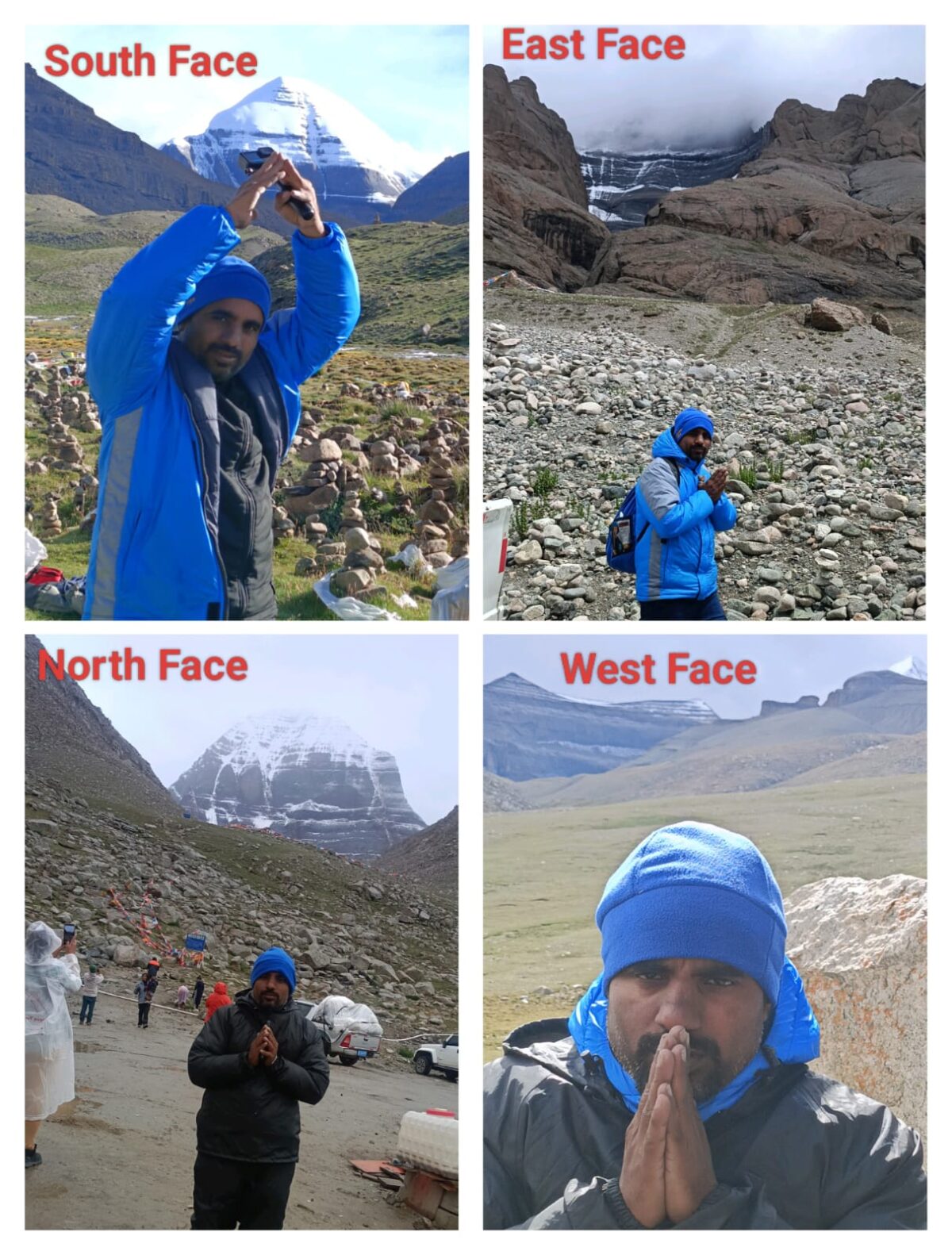
Four Faces Of Mount Kailash
Mount Kailash Yatra gives you opportunity to see four faces of Mount Kailash once you approach Lake Mansarovar you will be see South Face of Mount Kailash and then during the first day of Kailash Parikrama you will be see East Face and North Face of Mount Kailash and then second day of Parikrama will see the West Face of Mount Kailash.
Mount Kailash, rising majestically at 6,638 meters, is unlike any other peak in the world. What makes it truly divine are its four distinct faces, each facing one of the cardinal directions. To the eyes of a pilgrim, these faces are not mere rock formations, but sacred symbols of the universe’s balance and the presence of Lord Shiva Himself.. It is not just a mountain, it is the cosmic axis, the meeting point of heaven and earth, where the material and the spiritual worlds merge.
Mount Kailash South Face
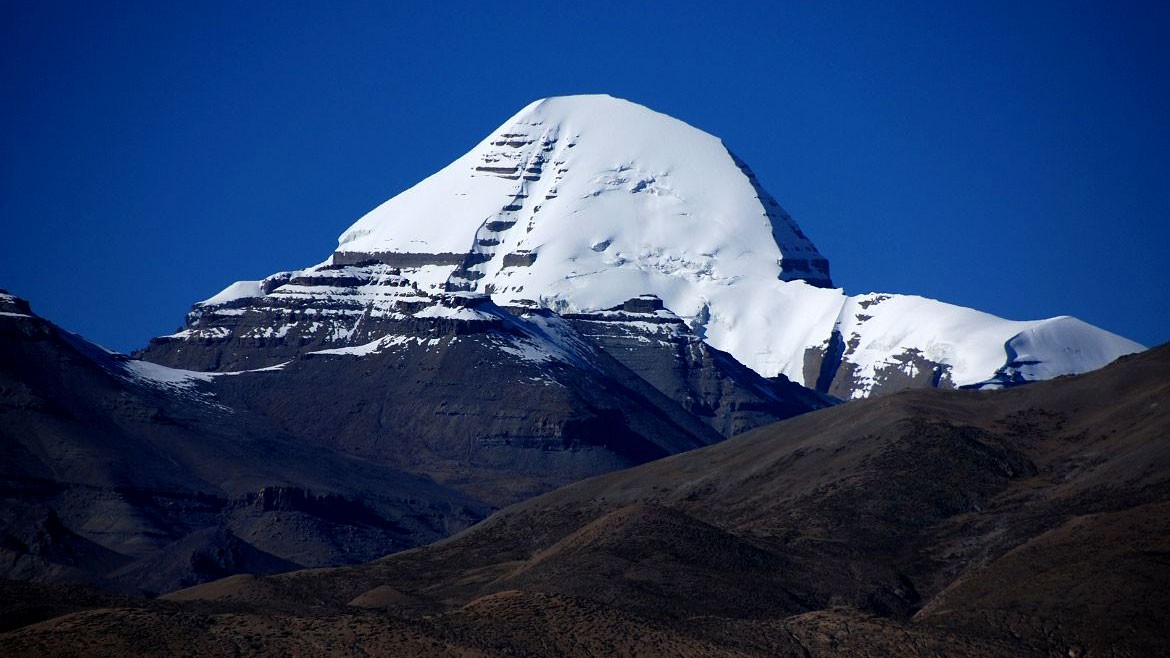
Once we reached near to Lake Mansarovar we will see first glimpse of Mount Kailash and it is South Face and it feels both powerful and welcoming at the same time. On its slopes, nature has carved a giant figure that resembles the sacred “Swastika”a timeless symbol of prosperity, protection, and auspiciousness. For Hindus, this side of Kailash is especially meaningful. It is believed to represent Lord Yama, the God of Dharma the eternal principle of truth, justice, and righteousness. Standing before this face, many pilgrims feel a reminder that life’s highest purpose lies in walking the path of dharma with honesty and devotion. Gazing at the Southern Face is a humbling moment. Its silent presence seems to whisper blessings of strength, balance, and moral clarity to all who come with faith in their hearts.
Mount Kailash East Face
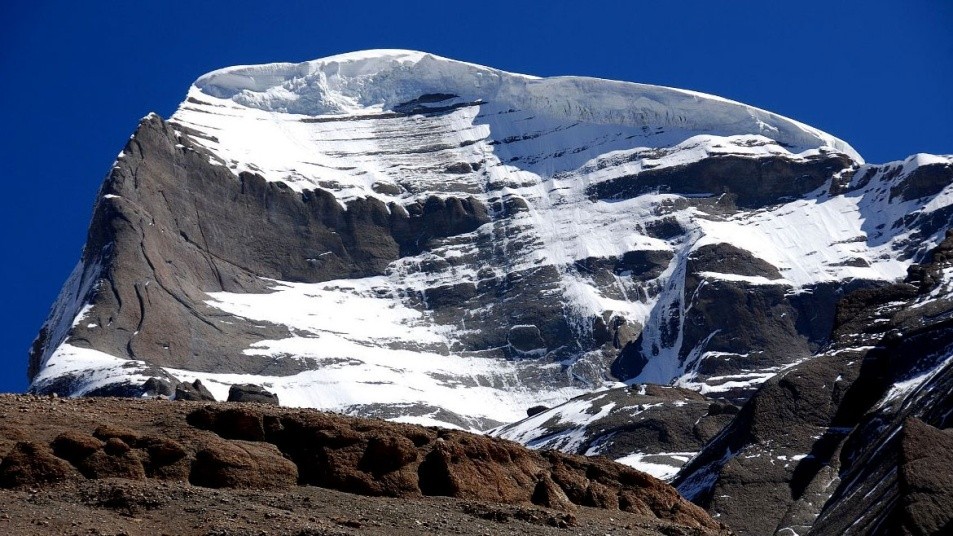
The Eastern Face of Mount Kailash is often called the face of dawn, as it glows brilliantly with the first rays of the rising sun. At sunrise, the mountain shines with golden light, filling the heart of every pilgrim with hope and renewed energy for the journey ahead. Spiritually, this face is associated with Lord Indra, the King of Gods, and is believed to embody power, vitality, and divine protection. For those who stand before it, the Eastern Face feels like a blessing of strength and courage, reminding them that life’s challenges can be faced with faith and resilience. Pilgrims often bow in prayer here, seeking not only physical energy for the yatra but also the inner vitality to walk the path of truth and devotion.
Mount Kailash North Face
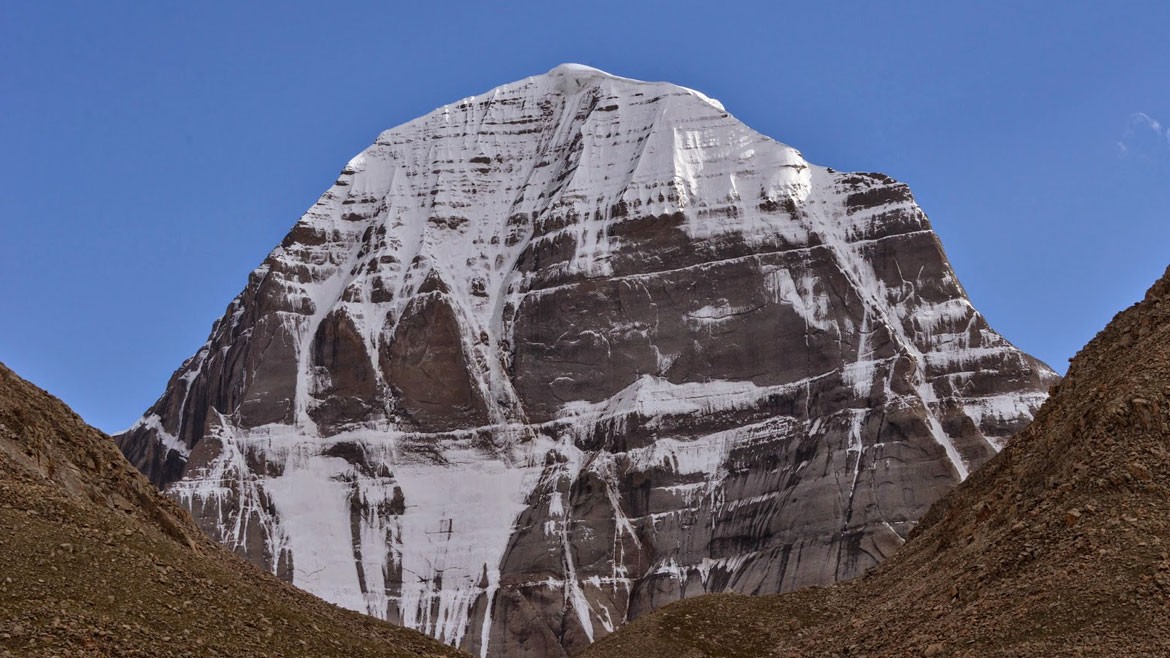
North Face is arguably the most visually stunning and widely recognized aspect of the sacred Mount Kailash, often captured in famous photographs. This face is particularly renowned for the spectacular phenomenon known as “Golden Kailash,” which occurs during sunrise and sunset. In religious traditions, the North Face holds deep spiritual significance. It is often associated with Brahma, the creator, and represents spiritual renewal and the formidable strength of Lord Shiva.
This face is believed to embody Lord Kubera, the God of Wealth, symbolizing abundance, prosperity, and spiritual richness. For pilgrims, the sight of the Northern Face is deeply humbling it reminds them that true wealth is not just material but also lies in wisdom, compassion, and inner strength.
Mount Kailash West Face
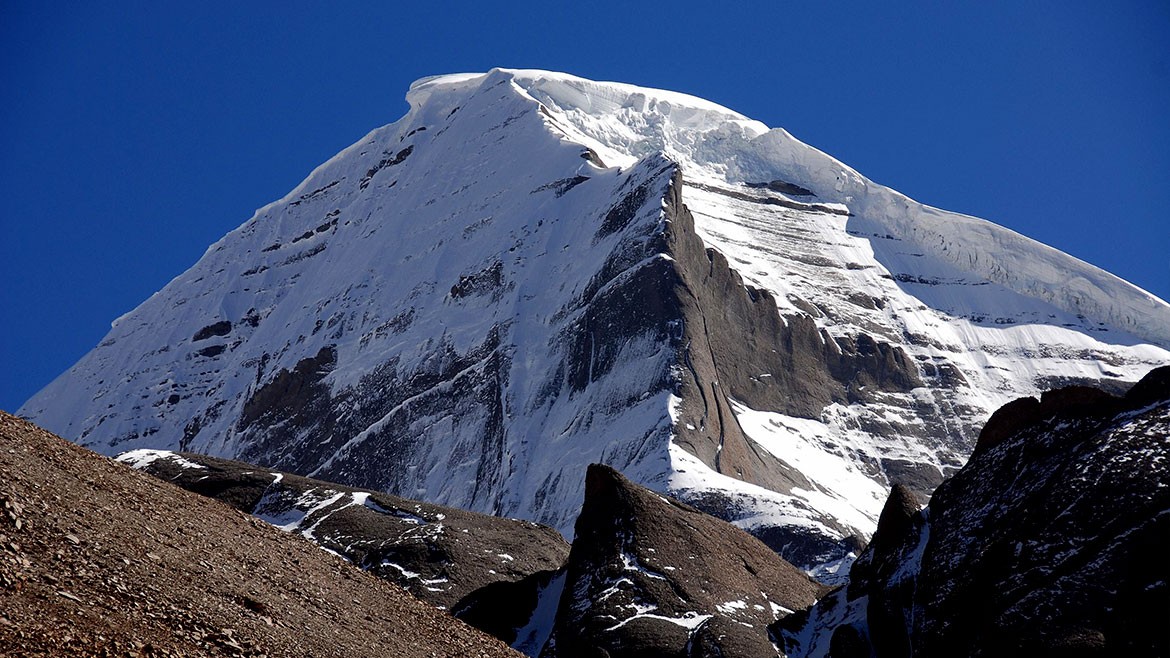
West Face of Mount Kailash is often described as the most serene and calming side of the holy mountain. At sunrise and sunset, it glows with golden hues, creating a breathtaking sight that fills pilgrims with a deep sense of peace and stillness. Spiritually, this face is linked to Lord Varuna, the God of Water, symbolizing purity, compassion, and the life-giving energy that sustains all beings. Standing before the Western Face, many devotees feel an overwhelming sense of calm, as if the mountain itself is washing away their worries and filling their hearts with kindness and clarity. It is this quiet, gentle grace that makes the Western Face one of the most cherished views of Kailash.